
Indie Folk Music: Your Friendly Guide to Listening, Playing, and Writing
Indie folk music blends old acoustic traditions with the do-it-yourself spirit of independent artists. Think fingerpicked guitars, warm harmonies, and lyrics that feel like a letter from a friend.
You don’t need a music degree to enjoy it, play it, or write it. You just need a good starting point and a little curiosity.
Here you’ll find beginner guides, step-by-step how-tos, and ultimate guides that make every part of the genre easy to explore.
Beginner Guides
Start from zero and build a clear picture of the genre, its roots, and its sound. Every guide assumes you’re brand new.
How-To Tutorials
Learn practical skills like fingerpicking, open tunings, and simple two-part harmonies. Each tutorial breaks a skill into small steps you can practice tonight.
Ultimate Guides
Go deep on a single topic, from folk history to songwriting craft. These are the pages you’ll bookmark and come back to.
Listening Lists
Find your next favorite artist with curated picks for every mood. Each list tells you where to start and why the music matters.
Indie Folk Music Explained: The Sound in Six Parts
Once you know what to listen for, you’ll recognize the indie folk sound within the first few seconds of a song. These six ingredients show up again and again.
Acoustic Roots
Most songs are built on acoustic guitar, banjo, piano, or mandolin. The instruments often sound close and unpolished, as if you’re sitting in the same room.
You’ll notice that the playing serves the song, not the other way around. Flashy solos are rare.
Intimate Vocals
Singers tend to sound hushed, cracked, or conversational rather than big and belted. Falsetto shows up a lot, especially after Bon Iver made it a signature of the genre.
That closeness is the point. You’re meant to feel like the singer is talking straight to you.
Layered Harmonies
Stacked vocal harmonies give many indie folk songs their choir-like glow. Fleet Foxes built an entire sound around them.
Try humming along to the lower harmony next time you listen. You’ll start to hear how the parts fit together.
Lo-Fi Recording Choices
Plenty of classic records in the genre were made in bedrooms, cabins, and barns on modest gear. Tape hiss and room echo are treated as part of the charm.
This is great news if you want to record your own songs. A simple setup is enough to capture the right feel.
Storytelling Lyrics
Lyrics lean on specific images, small moments, and personal memories. A single line about a kitchen table can carry a whole relationship.
When you listen, pay attention to the details. They usually hold the emotional weight of the song.
Nature and Place
Seasons, forests, rivers, and hometowns appear constantly in indie folk music. Place often becomes a character in the song.
That’s also where the name Alpenglow comes from: the soft light on mountain peaks at dusk, quiet and warm, just like the music.

Indie Folk Artists to Start With
If you’re building your first playlist, these four artists give you a strong, varied foundation. Each one opens a different door into the genre.
Bon Iver
Start with For Emma, Forever Ago, the 2007 album Justin Vernon recorded largely alone in a Wisconsin cabin. It’s the textbook example of raw, wintry, falsetto-led folk.
Fleet Foxes
Their self-titled 2008 debut is pure harmony and pastoral imagery. Play it on a long drive and you’ll understand why so many bands copied the sound.
Iron & Wine
Sam Beam’s early records are whisper-quiet and built on gentle fingerpicking. They’re perfect if you want calm, late-night listening.
Big Thief
Adrianne Lenker’s songwriting is fierce, strange, and deeply personal. Big Thief shows you how far indie folk can stretch without losing its heart.
How to Play Indie Folk Music at Home
The best part about this genre is how approachable it is to play. You can make a convincing indie folk sound with one acoustic guitar and a few core techniques.
Give each step below a week of practice. By the end, you’ll have the building blocks for your own songs.
Start With an Acoustic Guitar
A basic steel-string acoustic is all you need at first. Learn the open chords G, C, D, E minor, and A minor, and you can play hundreds of songs.
Try an Open Tuning
Tune your guitar to DADGAD or open D, then strum the open strings. You’ll instantly hear the ringing, drone-like tone behind many classic folk tracks.
Learn a Simple Fingerpicking Pattern
Use your thumb for the bass notes and your fingers for the top three strings. Practice slowly with one chord until the pattern feels automatic.
Add a Harmony Line
Record yourself singing a melody, then sing a third above it on playback. Even a rough harmony adds that warm, layered feel you hear on your favorite records.

How to Find New Indie Folk Artists
Algorithms can get stuck in a loop, so it helps to have a few other ways to discover music. These methods keep your playlists fresh.
Follow Independent Labels
Labels like Sub Pop, Jagjaguwar, and 4AD have released some of the genre’s defining records. When you love an album, browse the rest of that label’s roster.
Watch Live Session Videos
Series like NPR’s Tiny Desk and Audiotree strip songs down to their essentials. You’ll hear which artists sound great without studio polish.
Visit Local Open Mics
Your next favorite songwriter might be playing a coffee shop down the street. Local shows also let you support artists directly.
Dig Through Artist Influences
Read interviews and check which artists your favorites name as inspirations. That trail often leads you back to Nick Drake, Joni Mitchell, and other folk legends.
Write Your First Indie Folk Song in Five Steps
Songwriting feels intimidating until you realize most great folk songs use simple chords and honest words. You already have the raw material in your own life.
Follow these five steps, and you’ll finish a complete draft in one sitting.

Pick One Specific Memory
Choose a real moment, like a walk home or a phone call you still think about. A narrow focus gives your lyrics power.

Write Down Concrete Details
List the colors, sounds, and objects you remember from that moment. These details become your strongest lines.

Choose Three or Four Chords
Keep the progression simple so the lyrics stay in front. G, E minor, C, and D is a classic place to start.
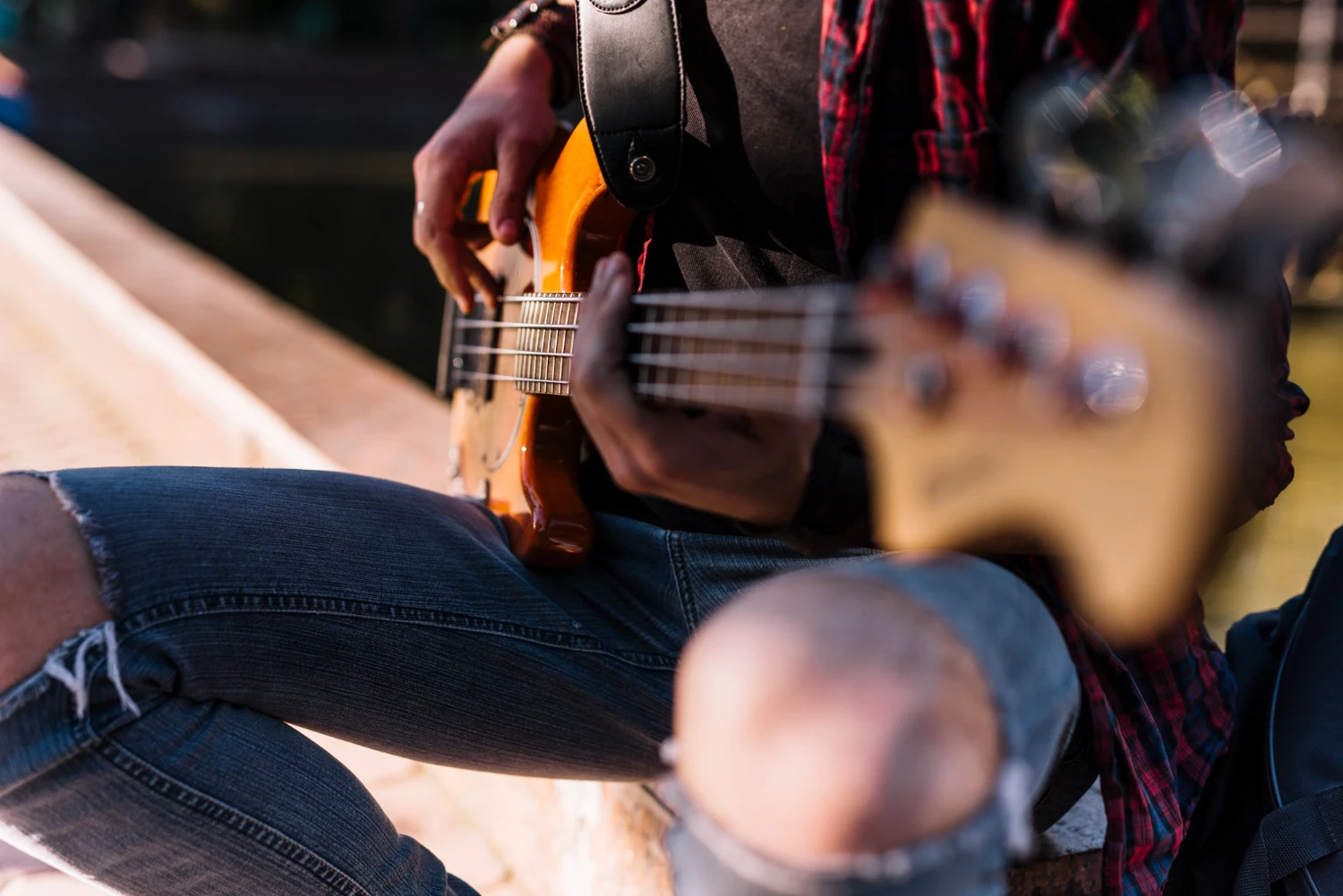
Hum a Melody Before Adding Words
Loop your chords and hum until a melody feels natural. Then fit your best lines into the shape you’ve found.
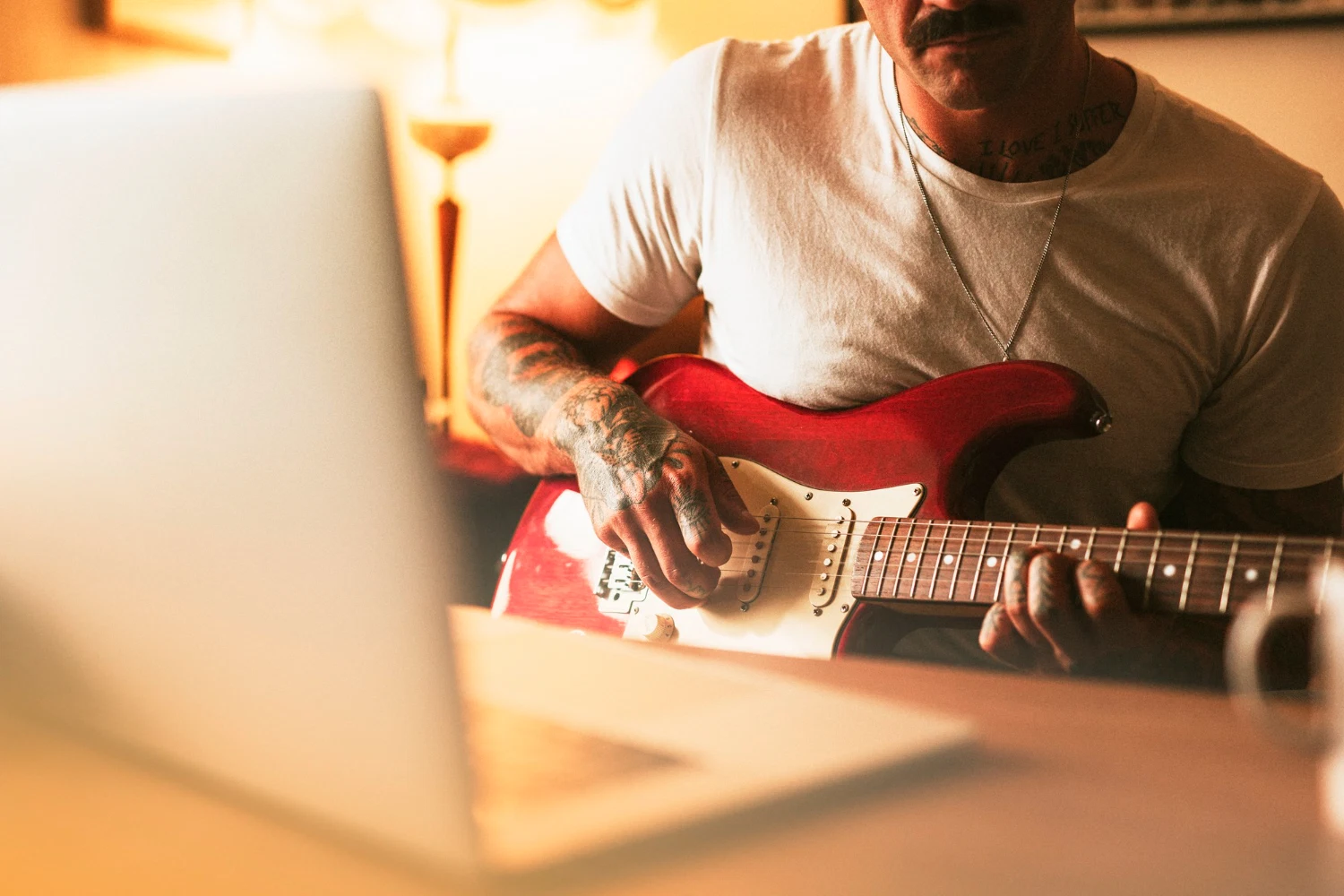
Record a Rough Demo
Use your phone to record the full song, mistakes and all. Listening back shows you exactly what to fix in the next draft.
Indie Folk Music FAQ
Here are quick answers to the questions beginners ask most often.
Traditional folk is passed down through generations and often has no known author. Indie folk is written by modern artists who borrow folk sounds and release music independently or on smaller labels.
Not quite. Folk rock adds drums and electric guitars for a fuller band sound, while indie folk usually stays quieter and more acoustic.
Acoustic guitar is the core, often joined by banjo, piano, mandolin, violin, and soft percussion. Some artists also add subtle synths or brass for texture.
Yes, and it’s one of the friendliest genres to start with. A few open chords and a basic fingerpicking pattern will carry you through many songs.
Try one album each from Bon Iver, Fleet Foxes, Iron & Wine, and Big Thief. Then follow whichever sound pulls you in the most.